After the Weight Loss: The Challenge Nobody Talks About
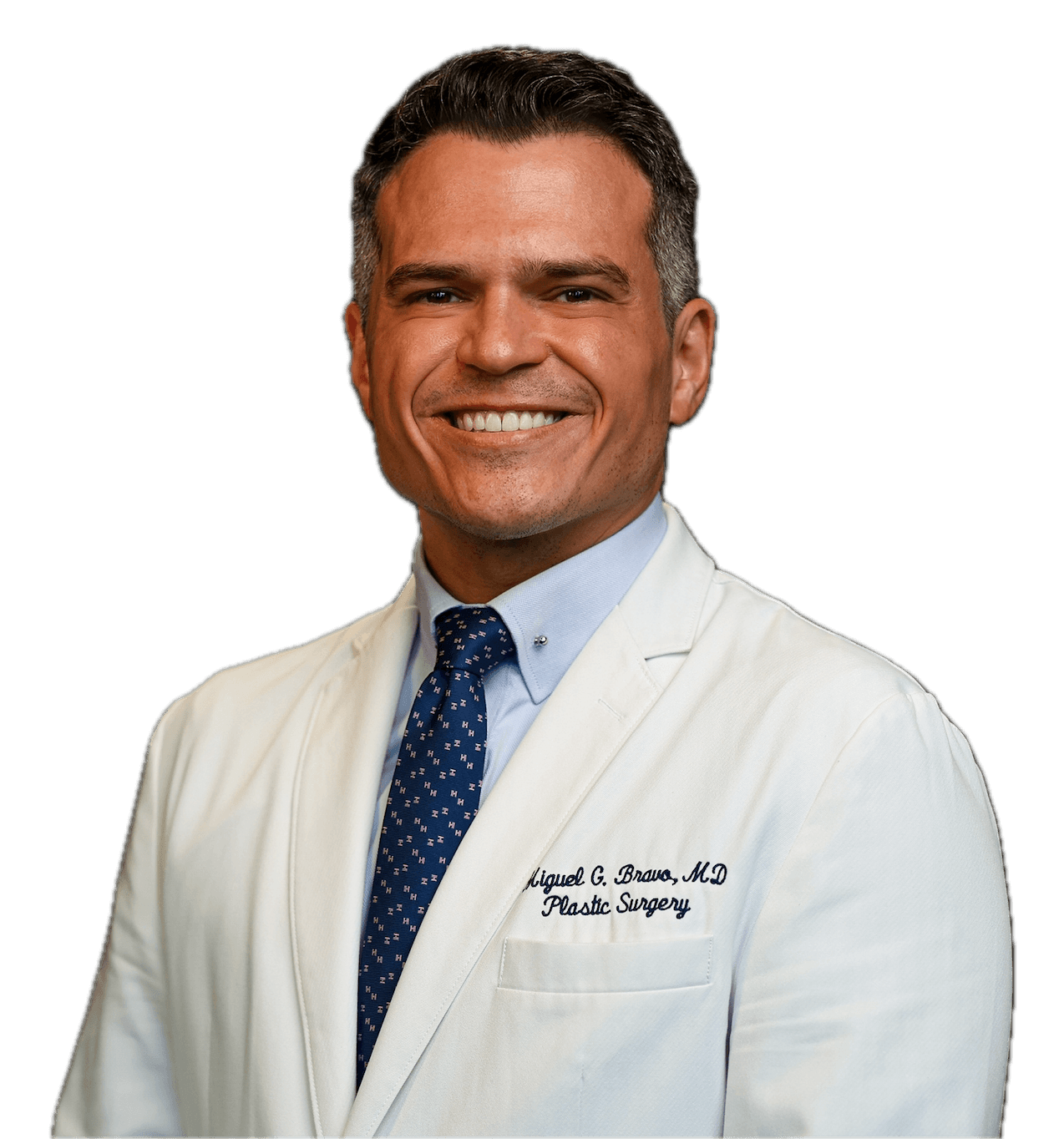
Losing a significant amount of weight, whether through bariatric surgery, GLP-1 medications like Ozempic and Wegovy, or lifestyle changes, is an extraordinary achievement. But for many patients, the journey doesn’t end when the scale reaches their goal. Excess skin, stubborn fat deposits, and loss of body proportion can leave patients feeling that their outer appearance doesn’t match their inner transformation. Body contouring after weight loss addresses exactly this gap. Dr. Miguel Bravo, a European Board-Certified Plastic Surgeon at Elyzee Hospital in Abu Dhabi, specialises in post-weight-loss body reshaping using a combination of advanced surgical techniques.
The GLP-1 Effect: A New Wave of Body Contouring Patients
The rapid adoption of GLP-1 receptor agonist medications, semaglutide (Ozempic, Wegovy) and tirzepatide (Mounjaro), has created an entirely new category of body contouring patients. These medications can produce weight losses of 15–25% of total body weight within 12–18 months, which is faster than most traditional diet-based approaches. The consequence: more patients than ever are experiencing significant skin laxity and body proportion changes that medication alone cannot address.
In Dr. Bravo’s Abu Dhabi practice, the number of consultations from GLP-1 patients seeking body contouring has grown substantially. Many of these patients are younger, otherwise healthy individuals who have never undergone bariatric surgery. They simply lost weight quickly through medication and are now left with loose abdominal skin, deflated breasts, or disproportionate fat distribution that persists despite their new weight.
The surgical approach for GLP-1 patients often differs from traditional post-bariatric patients: skin quality may be better (due to shorter duration of obesity), but the combination of rapid fat loss with preserved muscle mass creates unique contouring opportunities that require a surgeon experienced in both liposuction and excisional techniques.
Why Does Excess Skin Occur After Weight Loss?
When the body carries significant excess weight over a prolonged period, the skin stretches beyond its ability to retract fully. Collagen and elastin fibres, the structural proteins responsible for skin firmness, become damaged. After weight loss, the fat volume decreases but the stretched skin envelope remains, creating folds, sagging, and areas of poor contour.
The severity depends on several factors: the amount of weight lost, the patient’s age, genetics, skin quality, and how quickly the weight was lost. Patients who have lost 30 kg or more typically experience the most pronounced skin excess. GLP-1 patients who lose weight over a shorter timeframe may experience different patterns of skin laxity compared to those who lost weight gradually over years.
What Body Contouring Procedures Are Available?
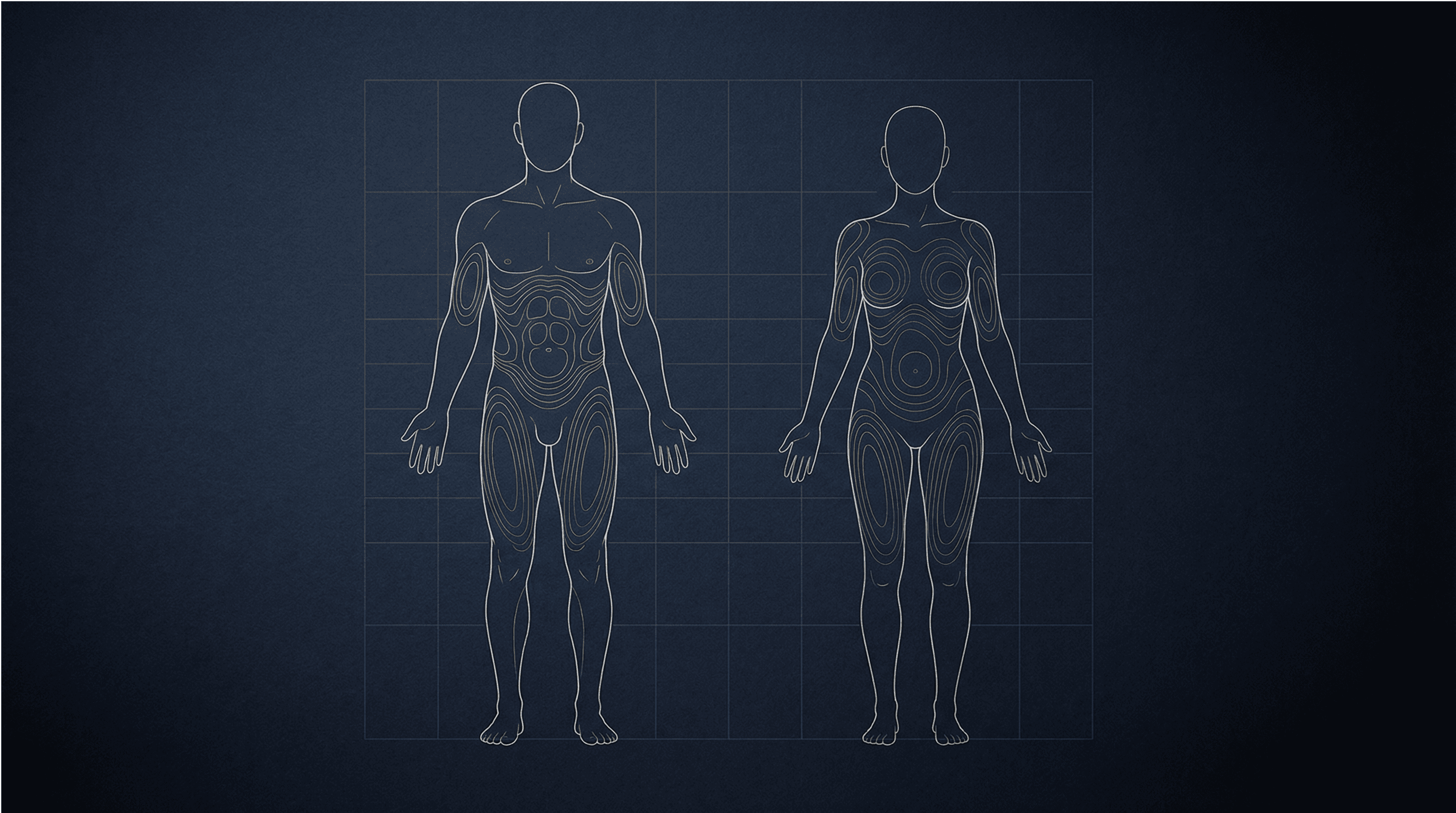
Post-weight-loss body contouring is not a single procedure. It’s a customised surgical plan that may involve one or more of the following:
Abdominoplasty (tummy tuck): Removes excess abdominal skin and tightens the underlying muscle wall. This is the most commonly requested procedure after major weight loss.
Full body lift (belt lipectomy): A circumferential procedure that addresses excess skin around the entire torso, abdomen, flanks, and lower back, in a single operation.
Brachioplasty (arm lift): Removes hanging skin from the upper arms, a common concern after significant weight loss.
Thigh lift: Tightens and reshapes the inner or outer thighs by removing excess skin and fat.
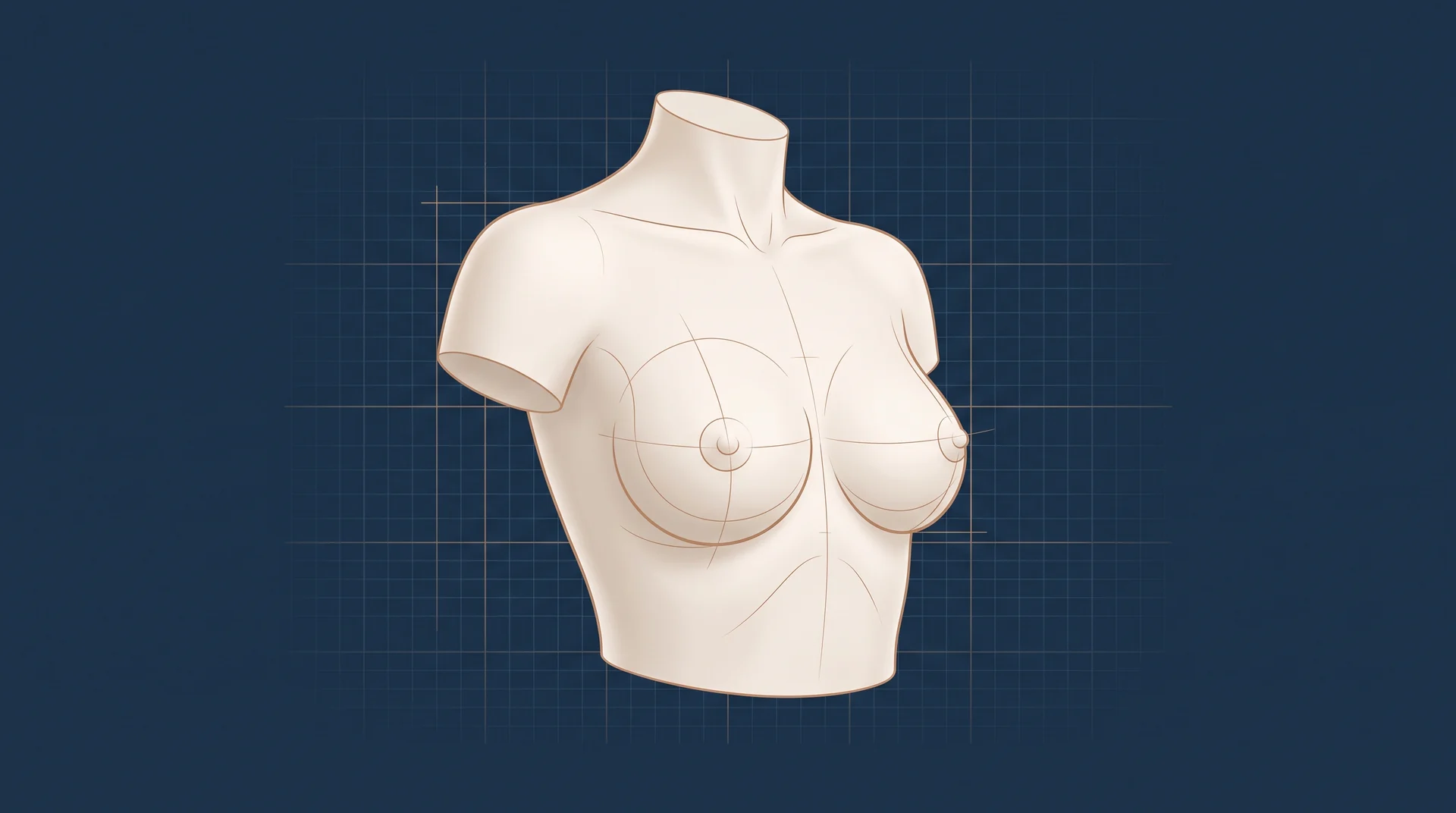
Breast reshaping: Breast lift (mastopexy) or breast lift with augmentation to restore volume and position lost after weight reduction.
Dr. Bravo develops a staged surgical plan for each patient, prioritising safety while achieving comprehensive transformation. Complex cases may be addressed across two or three carefully planned sessions.
When Is the Right Time for Body Contouring?
Timing is critical. Dr. Bravo recommends that patients meet these criteria before considering body contouring surgery:
Weight stability: Your weight should be stable for at least 6–12 months. Ongoing weight loss or gain can compromise results.
Nutritional health: Post-bariatric patients must have adequate protein levels and no nutritional deficiencies. Blood work is reviewed during the consultation.
Medical clearance: If you have undergone bariatric surgery, clearance from your bariatric team is essential.
Starting too early risks complications and suboptimal results. Starting at the right time gives your surgeon the best foundation to work with.
The MILA Technique: Advanced Abdominal Reshaping
For patients with significant abdominal skin excess, Dr. Bravo may recommend the MILA technique (Minimal Incision Lipoabdominoplasty), a refined approach that combines liposuction with abdominoplasty through a shorter incision, preserving more blood supply to the tissues and improving recovery.
This technique is particularly effective for patients whose skin quality allows a less extensive incision while still achieving a flat, well-contoured abdomen.
Recovery and What to Expect
Recovery varies by procedure, but general guidelines apply:
First 2 weeks: Rest and limited movement. Compression garments are worn to reduce swelling and support healing tissues.
Weeks 3–6: Gradual return to normal activities. Light exercise may resume with medical approval.
Months 3–6: Final results become apparent as swelling resolves and scars mature.
Dr. Bravo’s team provides a comprehensive post-operative care plan including scar management guidance.
Why Abu Dhabi for Post-Weight-Loss Surgery?
Abu Dhabi has become a destination for medical tourism in plastic surgery, offering internationally trained surgeons, JCI-accredited hospitals, and a regulatory framework through the Department of Health (DOH) that ensures high standards of care. Dr. Bravo practices at Elyzee Hospital, combining European surgical standards with a patient-first approach tailored to the multicultural population of the UAE.