Your questions, answered.
A Smaller-Incision Approach
For years, women with abdominal muscle separation (Diastasis Recti) faced a difficult choice: live with the bulge, or accept a hip-to-hip scar from a traditional tummy tuck.
Dr. Miguel Bravo introduces the MILA Technique (Minimally Invasive Lipo-Abdominoplasty) to Abu Dhabi. This advanced procedure offers a revolutionary middle ground: it repairs the muscle wall and sculpts the waist, but does so through a tiny incision similar to a C-section scar (or utilizing an existing one).
How the MILA Technique Works
MILA is a hybrid procedure that combines two powerful technologies:
Endoscopic Muscle Repair: Using a tiny camera (endoscope), Dr. Bravo creates a tunnel under the skin to access the abdominal muscles. He then sutures the separated muscles back together (plication) from the inside. This flattens the stomach wall and restores core strength.
360° High-Definition Liposuction: Before repairing the muscle, Dr. Bravo performs aggressive liposuction of the abdomen, flanks, and lower back. This thins the fat layer, allowing the skin to retract smoothly over the newly tightened muscles.
MILA vs. Traditional Tummy Tuck
The key difference is the skin.
Traditional Tummy Tuck: Removes large amounts of loose, hanging skin. Requires a long scar.
MILA Technique: Relies on your skin's natural elasticity to shrink back down. It does not remove skin.
Note: This is why MILA is strictly for patients with good skin quality. If you have significant "apron" skin, a traditional abdominoplasty is still the gold standard.
The Aesthetic Result
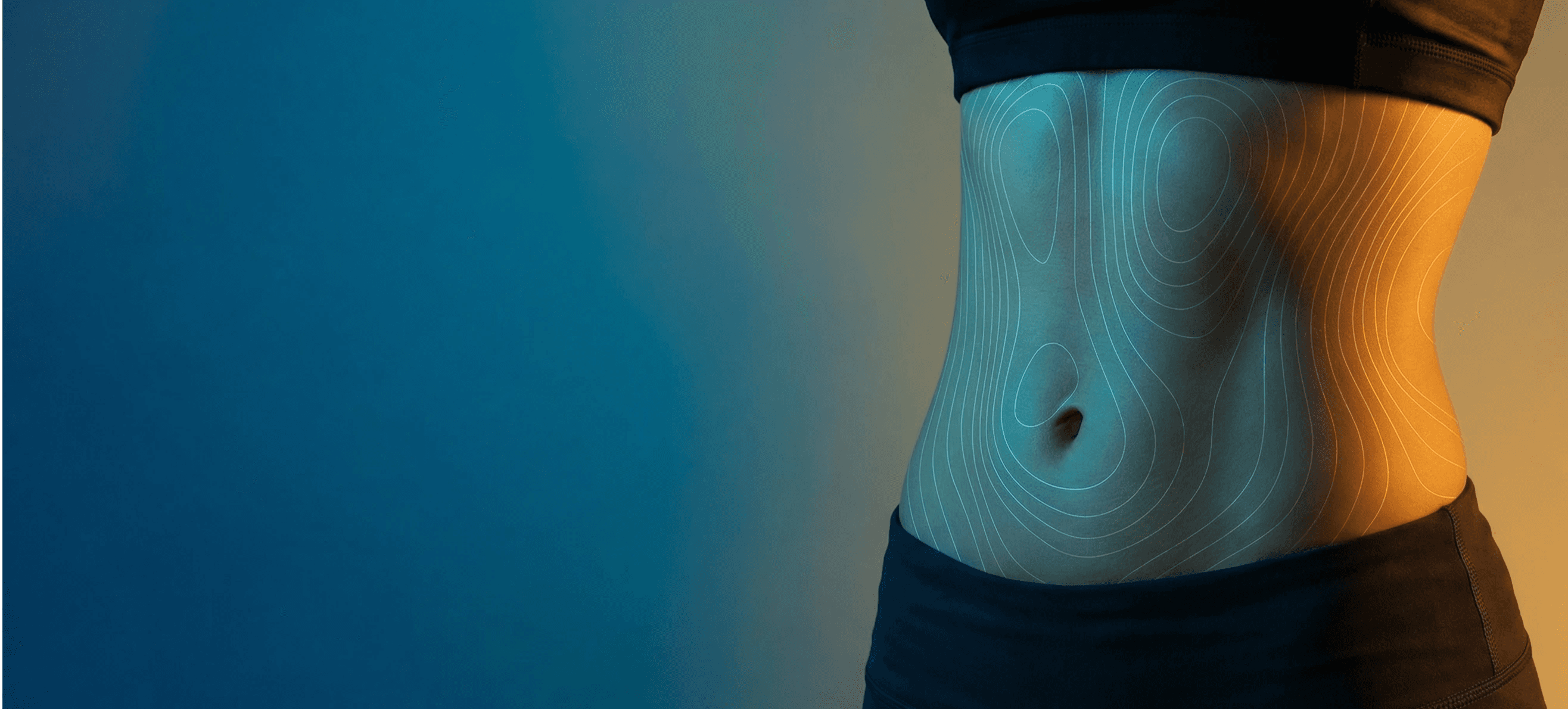
The result of the MILA technique is an "athletic" abdomen. By tightening the internal corset and removing external fat, Dr. Bravo reveals the natural definition of the abs and creates a narrow, snatched waistline—with a scar whose size and visibility depend on the operation and how you heal.
Recovery & Aftercare
Because there is no large skin incision, recovery is generally faster than a full tummy tuck.
Drains: Drains are typically not needed or removed very quickly.
Return to Work: Most patients return to desk duties in 7–10 days.
Compression: Wearing a specialized faja (compression garment) is critical for 4–6 weeks to help the skin retract and adhere to the muscle wall.