Breast Augmentation Has Evolved. Your Surgeon’s Technique Should Too.
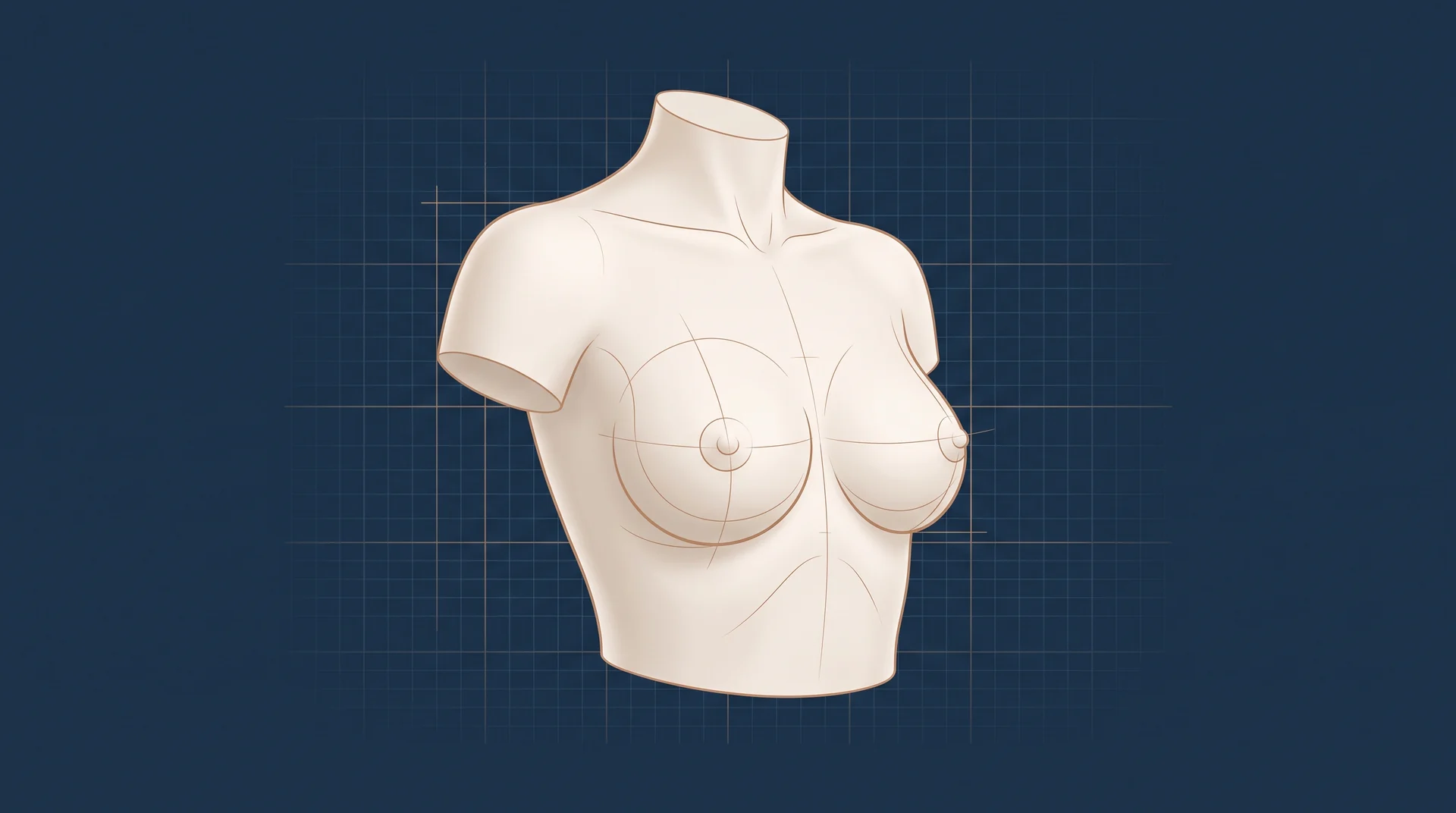
Breast augmentation remains one of the most popular cosmetic procedures in the world, and for good reason. When performed well, it can enhance proportion, restore volume lost after pregnancy or weight changes, and improve confidence. But for decades, the surgical technique behind breast augmentation stayed largely the same: create a pocket by cutting through tissue, place the implant, and close. The results were often excellent, but the process involved significant disruption to the breast’s internal structures. That is changing. The Motiva Preserve technique represents a meaningful shift in how I approach breast augmentation at my practice in Abu Dhabi, and in this post, I want to explain what makes it different, who it is for, and why I believe it offers real advantages for the right patient.
What Is the Motiva Preserve Technique?
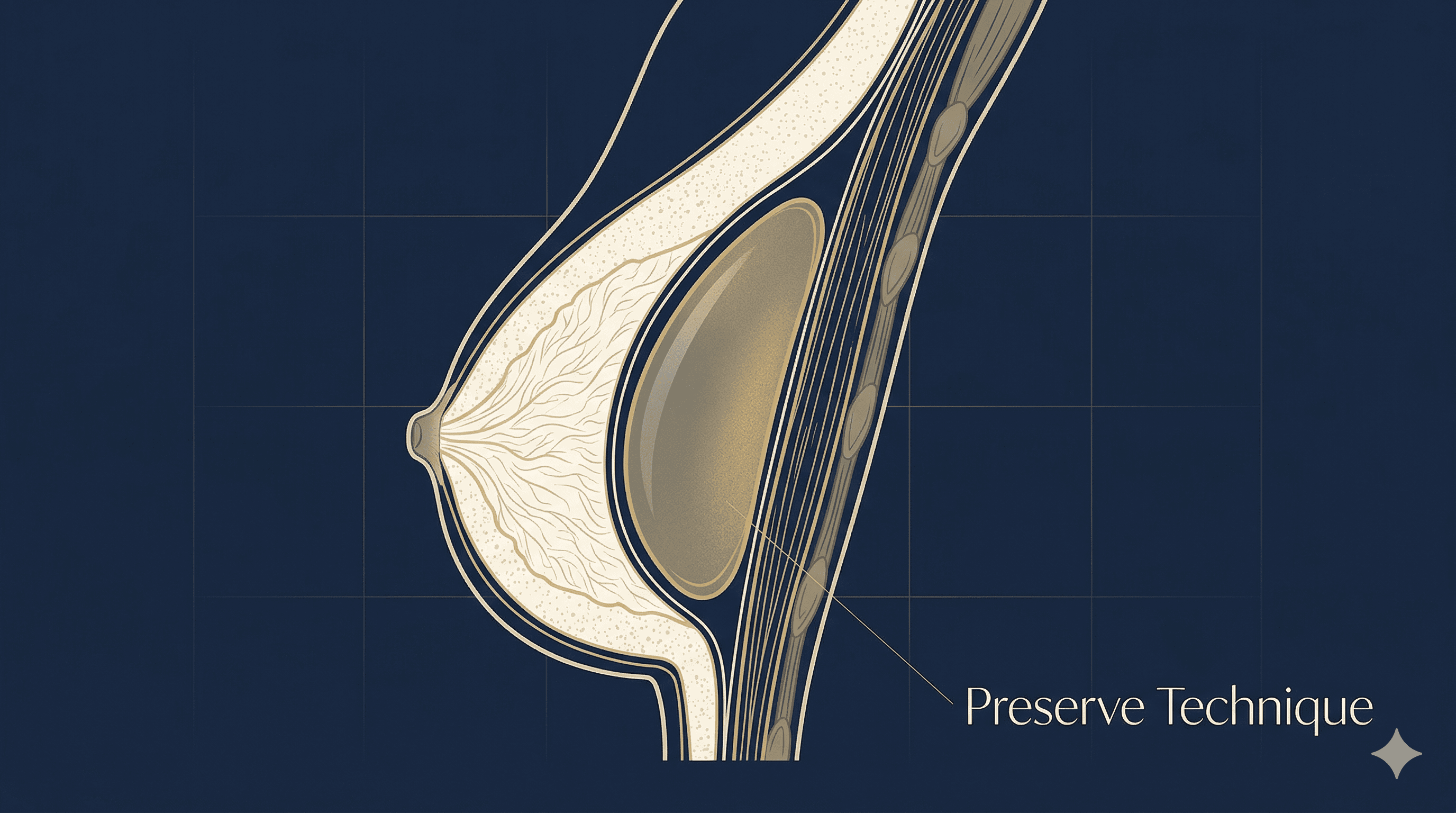
The Motiva Preserve technique is a breast augmentation method designed to minimise tissue trauma during surgery. Unlike traditional approaches, which require sharp dissection to create the implant pocket, the Preserve method uses specialised instruments to gently separate tissue planes without cutting through the breast’s supporting structures.
The procedure works in three stages. First, I make a small incision of approximately 2.5 to 3 centimetres in the inframammary fold (the natural crease beneath the breast). Through this incision, I introduce the Motiva Channel Separator, a specialised instrument that creates a precise tunnel through the tissue without transecting ligaments or breast parenchyma. In the second stage, a Motiva Inflatable Balloon is inserted and gradually expanded. Rather than sharply dissecting tissue, the balloon gently displaces it, creating a controlled pocket that matches the dimensions of the selected implant. Finally, the implant is placed into the prepared space using a no-touch insertion technique with a Keller Funnel, which reduces the risk of contamination and bacterial exposure.
The result is a pocket created with minimal disruption to blood supply, nerves, and the connective tissue framework that supports the breast.
Why Tissue Preservation Matters
In traditional breast augmentation, the surgeon creates the implant pocket through blunt or sharp dissection, which inevitably cuts through some of the breast’s internal support structures. These structures include Cooper’s ligaments (the connective tissue framework that maintains breast shape), sensory nerve branches that provide nipple and skin sensation, and blood vessels that nourish the tissue.
While the breast heals and most patients achieve excellent outcomes, this disruption can sometimes contribute to complications such as loss of nipple sensation, implant malposition (where the implant shifts from its intended position over time), and a longer, more uncomfortable recovery period.
The Preserve technique addresses these concerns by working with the breast’s anatomy rather than against it. By preserving the ligamentous framework and minimising nerve disruption, the technique aims to maintain the breast’s natural support system while accommodating the implant. Clinical data published on this method has shown a 0% rate of inferior malposition at three years, which is a notable improvement over traditional techniques.
Subfascial Placement: Protecting the Muscle
Another important element of the Preserve technique is the implant placement plane. With this method, I typically place the implant in a subfascial position, meaning it sits above the pectoralis major muscle but beneath the thin fascia that covers it.
This is significant because many traditional breast augmentations use a submuscular or dual-plane approach, where the implant is placed partially or fully beneath the chest muscle. While submuscular placement has well-documented benefits (particularly for very thin patients who need additional tissue coverage), it also comes with drawbacks: animation deformity, where the implant moves visibly when the chest muscle contracts during exercise, and a more uncomfortable recovery because the muscle has been disrupted.
Subfascial placement preserves the muscle entirely. This means no animation deformity, less postoperative discomfort, and a faster return to physical activity. For patients who are active or exercise regularly, this is a meaningful advantage. The fascia provides a subtle layer of additional coverage over the implant, offering a more natural transition between the implant edge and the chest wall.
The Implant: Motiva Ergonomix2
The Preserve technique is designed to work specifically with the Motiva Ergonomix2 implant, the latest generation of Motiva’s ergonomic breast implant line. This is not simply a marketing pairing. The implant’s properties are integral to how the technique functions and why the results differ from conventional augmentation.
The Ergonomix2 features several advanced technologies that I consider clinically meaningful. Its ProgressiveGel Ultima filling mimics the movement and feel of natural breast tissue, adapting to body position so the breast looks natural whether the patient is standing, lying down, or in motion. The implant is approximately 40% softer than the original Ergonomix, which contributes to a more natural tactile result.
The shell uses Motiva’s SmoothSilk nanotextured surface, a 3D nanotechnology finish that reduces bacterial adhesion, minimises inflammatory response, and lowers the risk of complications like capsular contracture and late seroma.
The TrueMonobloc+ construction gives the implant enhanced flexibility during insertion, meaning it compresses more effectively to pass through the small 2 to 3 centimeter incision without compromising its structural integrity. This is what makes the minimal-incision approach of the Preserve technique feasible.
Anaesthesia Options: From Local to General
One advantage of the Preserve technique that surprises many patients is the flexibility it offers in terms of anaesthesia. Because the procedure does not involve muscle dissection and tissue trauma is significantly reduced, it can be performed under local anaesthesia alone, under local anaesthesia with sedation, or under general anaesthesia. The choice depends on the patient’s preference, comfort level, and the complexity of the case.
For patients who prefer to avoid general anaesthesia, whether for medical reasons, personal preference, or simply to reduce recovery time, the option of a local or sedation-based approach is a genuine advantage. Many patients who choose local anaesthesia with sedation report feeling relaxed and comfortable throughout the procedure and appreciate being able to return home sooner with a faster overall recovery. Of course, general anaesthesia remains available for patients who prefer it or for cases where I recommend it based on surgical planning.
Who Is a Good Candidate?
The Preserve technique is well suited for patients seeking breast augmentation who value a natural look and feel, a faster and more comfortable recovery, preservation of nipple sensation, and avoidance of animation deformity.
It is particularly well matched for active patients and fitness enthusiasts who want to avoid muscle disruption, patients undergoing primary (first-time) breast augmentation, and women who have lost breast volume after pregnancy or weight changes and want restoration without the longer downtime of traditional methods.
During the consultation, I assess each patient’s anatomy, tissue thickness, breast dimensions, and aesthetic goals to determine whether the Preserve technique is the optimal approach. Not every patient is a candidate. Those with very thin tissue coverage or specific anatomical considerations may still benefit from a submuscular dual plane approach, and I always recommend the technique that I believe will produce the best long-term result for each individual.
Combining with Fat Transfer to the Cleavage
For patients who want enhanced fullness in the cleavage area, the Preserve technique pairs naturally with autologous fat transfer. After the implant is placed, I can harvest a small amount of fat from a donor area (typically the inner thighs) and inject it into the medial breast tissue to create a smoother, more natural-looking cleavage.
This combination addresses one of the most common aesthetic concerns patients express during consultation: the gap between the breasts after augmentation. Implants alone do an excellent job of adding volume and projection, but the medial cleavage area can sometimes appear underfilled, particularly in patients with a wider chest wall or naturally spaced breasts. Fat transfer fills this space with the patient’s own tissue, creating soft, natural fullness where the breasts meet.
Because the Preserve technique already minimises surgical trauma, adding fat transfer to the cleavage does not significantly extend the procedure or the recovery. The fat grafting itself is a relatively quick addition, and the donor site requires only minimal liposuction. For patients who are already considering implant-based augmentation, this combination offers a more complete and refined result in a single session.
Capsular Contracture: Addressing the Most Common Long-Term Concern
Capsular contracture, where scar tissue around the implant tightens and hardens, remains the most common long-term complication of breast augmentation. It can cause discomfort, visible distortion, and may require revision surgery. Reducing the risk of capsular contracture is a priority in every breast augmentation I perform.
The Preserve technique contributes to lower capsular contracture risk through multiple mechanisms. The no-touch insertion technique using the Keller Funnel minimizes bacterial contamination, which is a known trigger for capsular contracture. The reduced tissue trauma means less inflammation during healing, another contributing factor. And the Ergonomix2 implant’s SmoothSilk surface is specifically engineered to reduce the inflammatory cascade that leads to capsule formation. Published clinical data reports capsular contracture rates below 1% at four years with Motiva implants, which compares favorably to historical rates with other implant types.
How This Fits Into My Practice
I adopted the Preserve technique after evaluating the clinical evidence, undergoing the required training programme, and assessing how it complements the patient-centred approach I follow at Elyzee Hospital in Abu Dhabi. My philosophy has always been to use the least invasive approach that achieves the best result, whether that applies to body contouring with ultrasound-guided fat transfer, specialised liposuction for lipedema, or now breast augmentation with the Preserve method.
This technique aligns with where I see the field moving: toward procedures that respect the body’s anatomy, reduce recovery burden, and use technology to improve long-term outcomes. It is not about doing less. It is about being more precise.
Next Steps
If you are considering breast augmentation and want to explore whether the Motiva Preserve technique is right for you, I invite you to book a consultation. During your visit, I will assess your anatomy, discuss your goals, and recommend the approach that I believe will give you the most natural, lasting result. You can request an appointment through my website or contact my clinic directly via WhatsApp.